
User Experience Design

Designing Interfaces That Connect

What designers face when building digital products

Interface design workflow
Wireframe iteration process

Navigation structures that fail usability tests

users abandon products when menus hide essential functions. Testing reveals patterns that seem logical to designers but confuse actual people.
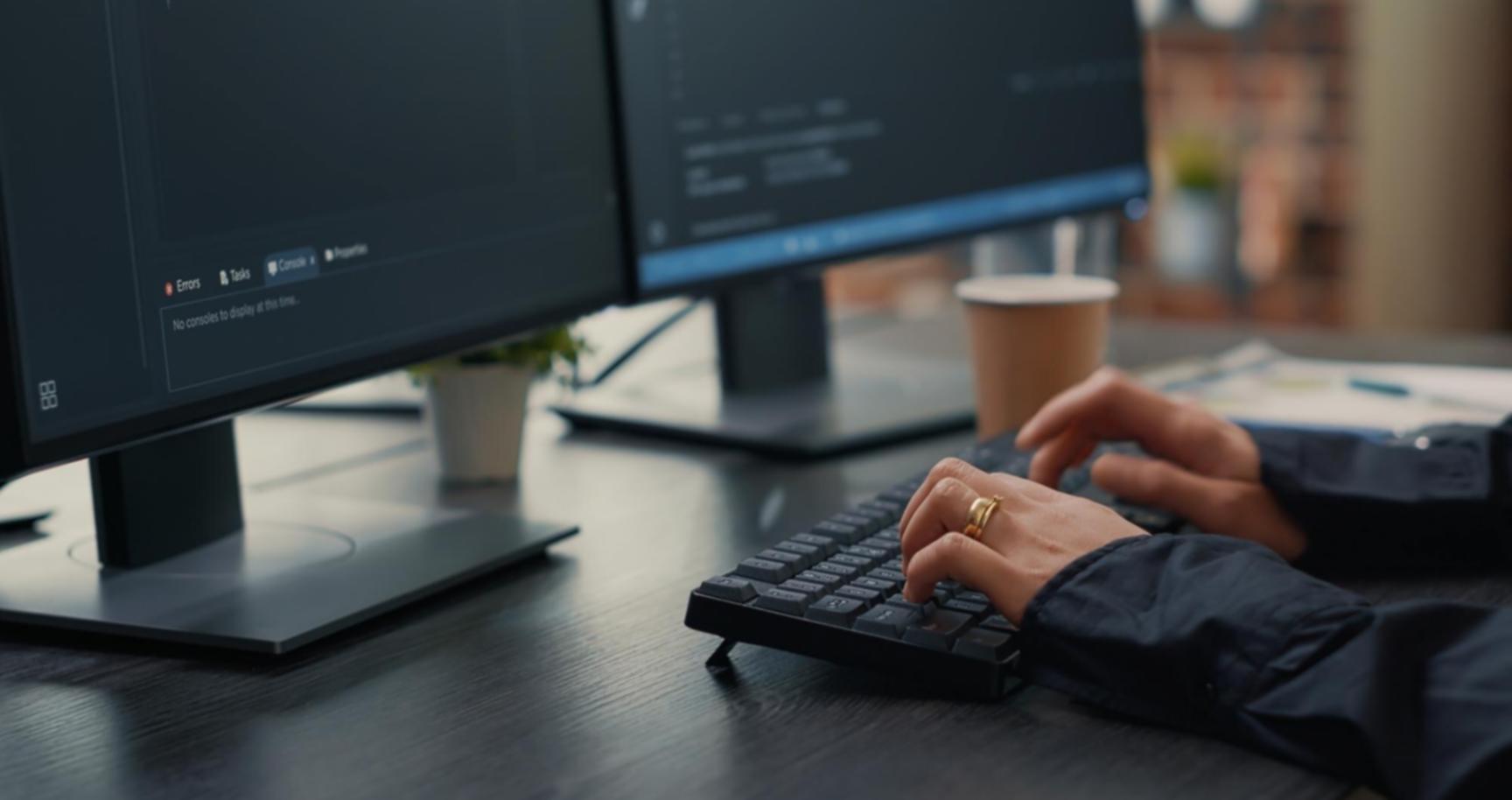

User testing session
Observing real user behavior

Forms that users start but never complete

drop-off rates spike when input fields ask for too much or present unclear validation. Small adjustments in field order change completion rates significantly.

Responsive design testing
Cross-device layout validation

Mobile layouts that break on smaller screens

responsive breakpoints often ignore devices between standard sizes. Real testing on physical hardware uncovers spacing and tap target issues desktop previews miss.

How we structure the learning path

each module starts with observation rather than theory. Students examine existing interfaces, identify friction points, then learn principles that explain why those problems occur. Assignments require building and testing small components before moving to larger systems.

  • Lessons built around documented case studies from platforms students already use

  • Exercises that require testing prototypes with actual users outside the course

  • Feedback focused on design decisions rather than visual polish or tool proficiency

Design process documentation
Student work from interaction design module

Recognition within the UX community

graduates from Kuldari have contributed to design systems at regional tech companies and participated in accessibility audits for municipal services. The curriculum draws on frameworks referenced in industry documentation rather than proprietary methods.

How does this program connect to current design practices?

Course materials reference the same accessibility standards and usability heuristics that practicing designers consult. Assignments mirror tasks from actual design roles, such as auditing existing interfaces or creating component documentation.

What kind of portfolio work do students produce?

Students complete projects that demonstrate research, iteration, and testing rather than just final screens. Portfolio pieces include process documentation showing how user feedback shaped design decisions across multiple revisions.

Does the program prepare students for remote design work?

Collaboration exercises use the same tools and workflows common in distributed teams. Students learn to present design rationale asynchronously and document decisions in ways that support remote handoffs to developers.